How to Care for Custom Easter Baskets: Cleaning, Storage and Longevity
Custom easter baskets last for many seasons when you clean them by material, dry them completely and store them uncrushed. Felt and fabric baskets need gentle spot-cleaning, woven willow and seagrass need dry brushing, and liners take the mess off both. Customized Easter Baskets can pair each style with washable liners, so baskets come back looking sharp next Easter.
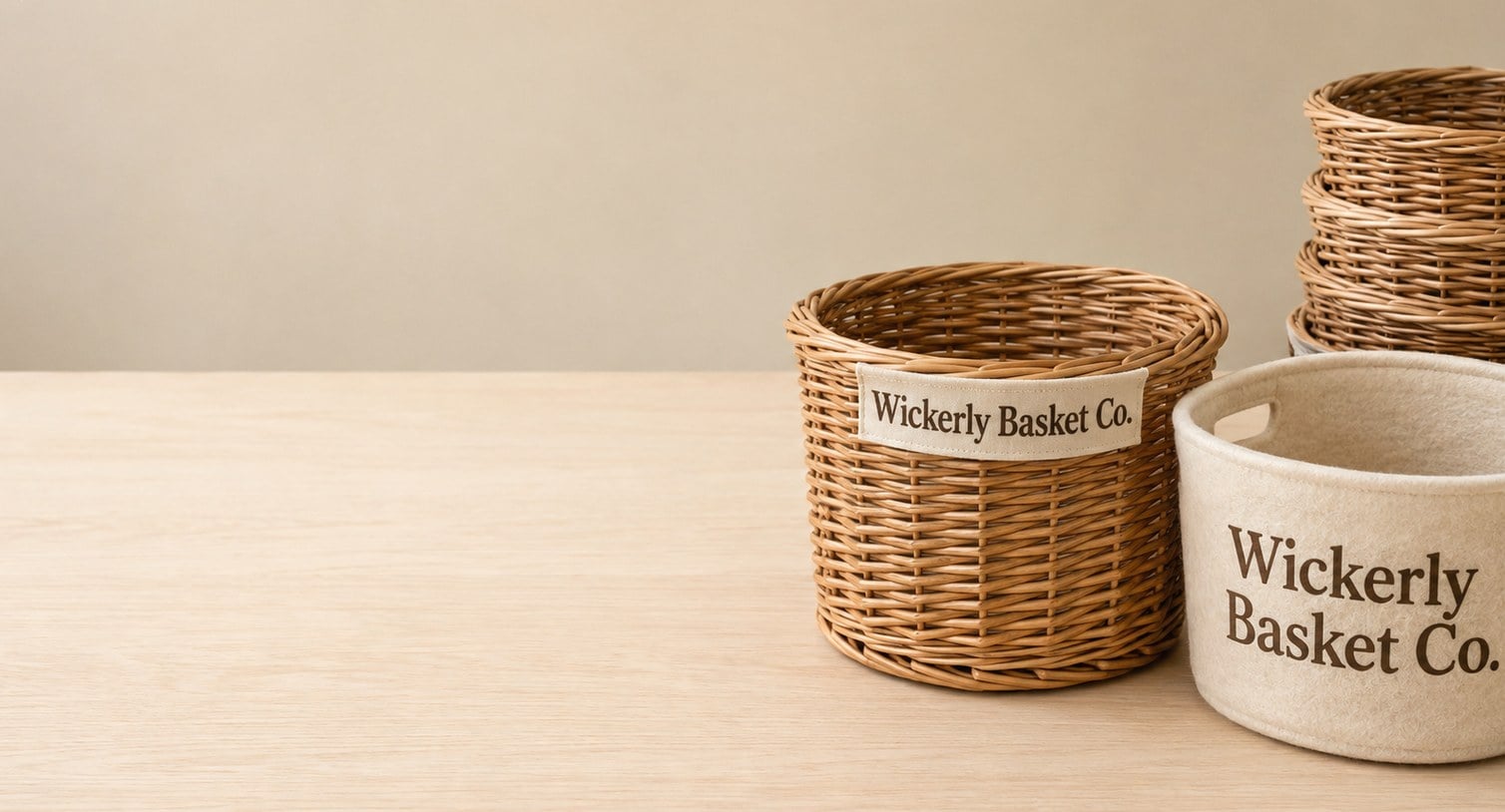
- Spot-clean felt and fabric easter baskets by blotting; never scrub across names.
- Brush woven willow and seagrass baskets dry; avoid soaking natural fiber.
- Washable liners keep candy and spills off the basket itself.
- Store baskets fully dry, cool and uncrushed; nesting and collapsible styles save space.
- Free mockup within 24 hours; production about 2 weeks after approval.
How long do custom easter baskets last with the right care?
Custom easter baskets can serve several Easter seasons when the material is matched to the use and the baskets are cleaned and dried before they go away for the year. Most wear comes from three things: damp storage, crushing weight and rough cleaning, not from the egg hunt itself. A basket that is wiped, dried and stored loosely usually looks close to new the following spring.
The decoration matters too. Printed names and logos from Customized Easter Baskets sit on the surface of the basket or its liner, while embroidered names are stitched into felt or fabric. Both hold up well, but each responds differently to scrubbing, folding and heat, which is why a care routine should start with the material and the decoration together.
Think of care as three small habits rather than a chore:
- After the event: empty the basket fully, shake out grass and wrappers, and spot-clean anything sticky the same day.
- Before storage: make sure every basket and liner is completely dry.
- In storage: keep baskets cool, dry and uncrushed, with names facing the same way so they are easy to sort next year.
How do you clean felt and fabric easter baskets without damaging the name?
Felt and fabric easter baskets clean best with gentle spot-cleaning: a damp cloth, a little mild soap and a light dabbing motion over the stain, never hard rubbing across a printed or embroidered name. Rubbing is what pills felt and roughens print edges, so work from the outside of a mark inward and blot rather than scrub.
Chocolate and sticky candy are the usual culprits. Let melted chocolate firm up first, lift off what you can with a blunt edge, then dab the remaining mark. For grass dye or marker, test your cleaner on the base or an inside seam before touching the decorated panel.
- Clean the basket while it is upright so the walls keep their shape.
- Press out excess water with a dry towel; do not wring or twist the body.
- Air-dry away from radiators and direct sun, which can fade colors and stiffen felt unevenly.
- Stuff the empty basket loosely with clean paper while it dries so the sides stay straight.
If the order uses embroidered names, treat the stitching as the most delicate area. Brush it lightly in the direction of the thread once it is dry. Our embroidered easter baskets page explains how stitched names are placed on felt and fabric styles.
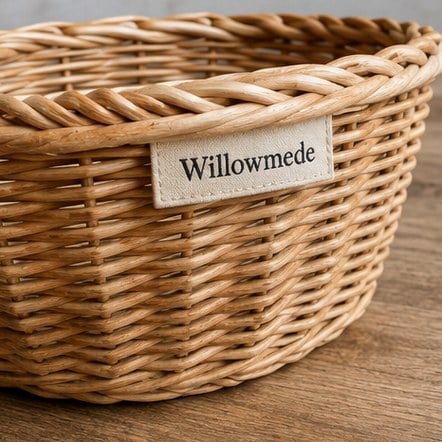
What is the best way to care for woven willow and seagrass easter baskets?
Woven willow and seagrass easter baskets need dry cleaning more than wet cleaning: brush out crumbs and grass with a soft brush, wipe the weave with a barely damp cloth, and let the basket dry completely before it is stacked or stored. Natural fibers swell when soaked and can loosen as they dry, so avoid dunking or rinsing woven baskets under a tap.
The rim and handle take most of the strain during an egg hunt, so check those first after the event. A loose strand near the rim is easier to tuck back or secure early than after a season of handling. Our earlier article on why woven baskets unravel covers how the rim holds the weave together.
For woven styles, a few habits keep the basket sturdy:
- Carry full baskets from underneath as well as by the handle when they are heavy.
- Keep woven baskets out of damp garages, basements and sheds, where natural fiber can develop mildew.
- Use a removable liner so food and spills never touch the weave directly.
- Store baskets upright or nested gently, never with heavy boxes on top.
See the full range on the woven willow and seagrass baskets page.
Do liners make custom easter baskets last longer?
Liners are the simplest way to make custom easter baskets last longer, because a liner takes the mess so the basket does not. Washable inserts catch melted chocolate, crumbs and grass dye, and they can be cleaned on their own while the decorated basket only needs a quick wipe. For woven baskets in particular, a liner keeps sticky treats out of the weave, where they are hardest to remove.
A liner also gives you a second place for personalization. Some groups print the name or logo on the liner and keep the basket itself plain, which means a stained or outgrown liner can be replaced without reordering the whole basket. Others put the name on both so a basket and liner always find their way back together.
Customized Easter Baskets offers custom printed basket liners and washable inserts that can be ordered alongside the baskets in one quote, and the free mockup shows the liner and basket design together before anything is produced.
How should collapsible and nesting easter baskets be stored after Easter?
Collapsible and nesting easter baskets are built for storage, so the main job after Easter is making sure they are clean and fully dry before they fold or stack. A collapsible basket folded while damp can trap moisture in the creases, and a nesting set stacked with crumbs inside will carry them into every basket below.
Fold collapsible baskets along their existing lines rather than making new creases, which keeps printed names from cracking or wearing at a fold. Nesting baskets should stack from largest to smallest with a sheet of clean paper between each layer so printed surfaces do not rub against each other through the year.
| Basket style | Clean with | Store as | Watch for |
|---|---|---|---|
| Fabric and felt | Damp cloth, mild soap, blotting | Upright or loosely stuffed | Crushed walls, pilling on names |
| Woven willow and seagrass | Soft brush, barely damp cloth | Upright in a dry room | Damp storage, loose rim strands |
| Nesting sets | Wipe each piece separately | Stacked with paper between layers | Print rubbing between layers |
| Collapsible | Wipe, then dry open | Folded on existing lines | Folding while damp |
Compare the styles on the nesting and collapsible baskets page.
Which easter basket material lasts longest for a group that reuses baskets every year?
For a group that collects and reuses easter baskets every year, the longest-lasting choice is usually the material that fits how the baskets are handled, not simply the sturdiest one. Fabric and felt easter baskets suit young children and busy classrooms because they are soft, light and forgiving when dropped. Woven baskets suit gifts and display, where they are carried carefully and stored indoors.
Groups that store baskets centrally, such as a school, a church or a community egg hunt committee, often get the best results from nesting or collapsible styles, since the whole set fits in one bin and is less likely to be crushed. Families taking baskets home each year tend to keep them in better shape when the basket carries the child’s name, because a personalized basket is treated as a keepsake rather than event equipment.
When you request a quote, tell Customized Easter Baskets whether the baskets will be reused or kept by each recipient. That detail shapes the style recommendation and whether a liner is worth adding. The fabric and felt easter baskets page shows the soft styles available.
What should you check before ordering easter baskets meant to last?
Before ordering easter baskets you expect to reuse, check the material, the decoration method and the storage plan together, then confirm them on the free mockup. The mockup from Customized Easter Baskets arrives within 24 hours, revisions are unlimited and free, and you pay nothing until you approve the design, so there is time to get the long-life details right.
- Leave the year off if the baskets are meant to come back every Easter.
- Match the decoration to the material: embroidery for felt and fabric names, printing for logos and liners.
- Decide where baskets live between seasons, and pick nesting or collapsible styles if space is tight.
- Add liners when baskets will hold loose candy or be used by young children.
- Keep the approved artwork so replacement baskets match the originals.
Standard production takes about 2 weeks after approval, with faster turnaround available through express shipping. Start with the how it works page, then request a custom quote with your style and care questions.
Frequently asked questions
Do printed names on easter baskets fade over time?
Printed names on easter baskets from Customized Easter Baskets hold their color well when the baskets are kept out of strong sunlight and cleaned by blotting rather than scrubbing. Most fading comes from a season spent on a sunny shelf or windowsill. Store baskets in a closet or covered bin, and the names should stay clear and readable for several Easters.
How do I get chocolate out of a felt easter basket?
Chocolate comes out of a felt easter basket most easily once it has firmed up. Chill or let the mark set, lift off the solid part with a blunt edge, then dab the remaining stain with a damp cloth and a little mild soap. Blot from the outside in, avoid rubbing across the printed or embroidered name, and air-dry the basket upright.
Can woven easter baskets get mildew in storage?
Woven easter baskets made from willow or seagrass can develop mildew when stored somewhere damp, such as a basement, garage or garden shed. Natural fiber absorbs moisture from the air. Keep woven baskets in a dry indoor room, make sure they are completely dry before storing, and avoid sealing them in plastic bags, which trap humidity around the weave.
Should easter basket liners be removed before storing the baskets?
Easter basket liners are best removed, cleaned and dried separately before storage. Leaving a liner inside can trap crumbs and moisture against the basket for months. Customized Easter Baskets suggests storing clean liners folded flat next to their basket, or tucked inside once fully dry, so each named liner stays with the right basket for next Easter.
Can a damaged custom easter basket be replaced to match the rest of the set?
A damaged custom easter basket can usually be replaced to match the set when the original artwork is kept on file. Customized Easter Baskets can work from your approved design, so a replacement carries the same name layout, logo and colors. Send the details through the quote form and the replacement mockup arrives within 24 hours, like any new design.
Are embroidered easter baskets more durable than printed ones?
Embroidered easter baskets and printed easter baskets both last well, but they wear differently. Embroidery is stitched into felt or fabric, so it resists rubbing and suits names on baskets handled by young children. Printing suits logos, fine detail and liners. The best choice depends on the basket material and how roughly the baskets will be used each Easter.
What is the best container for storing a set of easter baskets?
A set of easter baskets stores best in a clean, dry, rigid bin with enough room that the baskets are not squeezed. Customized Easter Baskets recommends nesting or collapsible styles for groups with limited space, with paper between layers to protect printed names. Label the outside of the bin with the group name so next year's helpers can find it quickly.
How can a school make shared easter baskets last for several years?
Shared easter baskets last longest at a school when one person collects, checks and stores them after each event. Empty and spot-clean every basket the same week, set aside any with loose seams or rim strands, and store the set in a dry cupboard. Choosing logo-only or year-free designs lets the same easter baskets go to different children each spring.
Do sunlight and heat damage custom easter baskets?
Custom easter baskets can be affected by long exposure to sunlight and heat. Strong sun can fade printed colors and felt, while heat from radiators or car interiors can stiffen fabric and dry out woven fiber. Display baskets away from bright windows, never leave filled baskets in a hot car, and dry wet baskets at room temperature instead of near a heater.
Is it worth adding a washable insert to woven easter baskets for young children?
Washable inserts are usually worth adding to woven easter baskets meant for young children. Small hands bring sticky candy, juice and crayons, and an insert keeps that mess out of the weave, where it is hardest to clean. Customized Easter Baskets offers custom printed liners and inserts that can carry the same name or logo as the basket.
Can easter baskets with names be reused for different children next year?
Easter baskets printed with individual names are designed to stay with one child, so they work best as keepsakes rather than shared stock. Groups that want to reuse easter baskets with different children each year should choose a logo or group-name design instead. Customized Easter Baskets can mix both in one order, with named baskets for keeping and logo baskets for reuse.
Get a free mockup for your easter baskets
Send your logo or idea and the quantity you have in mind. Customized Easter Baskets returns a free mockup within 24 hours, you approve the design before anything is produced, and standard turnaround is about two weeks with faster options available. Get a custom quote.